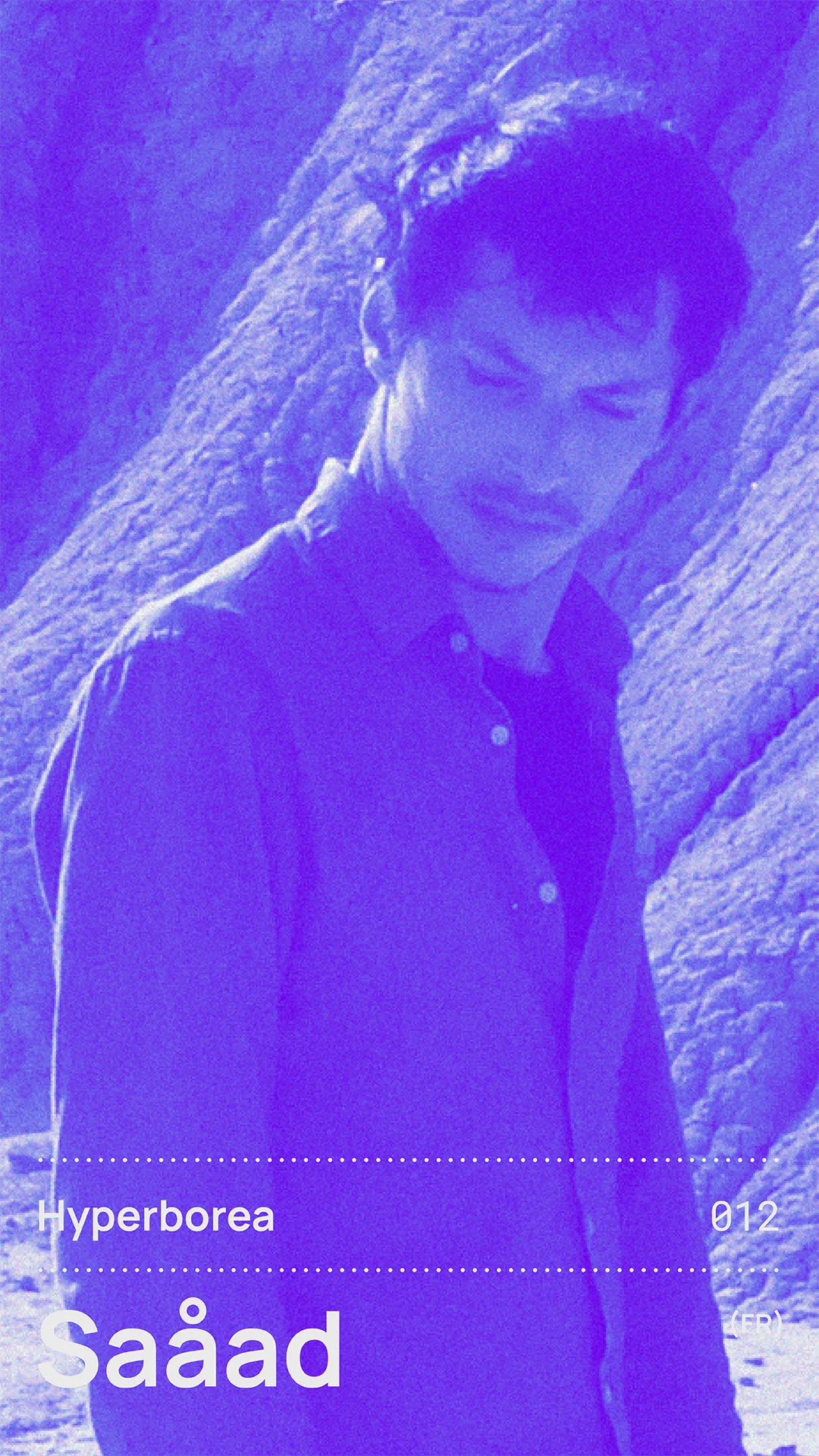
Saåad is the solo project of French musician Romain Barbot, exploring the fragile boundary between ambient, drone and experimental electronic music. Through slow-moving textures, deep layers of sound and subtle melodic fragments, Saåad creates suspended spaces where time seems to dissolve, inviting listeners into introspective and emotionally charged sound environments. Often described as cinematic and deeply melancholic, Saåad’s music functions as a form of sonic refuge that doesn’t seek to overwhelm, but rather to envelop. Each release feels like a chapter, capturing an inner state or a fleeting moment, more than a fixed place or narrative. The project embraces imperfection, intuition, and a raw, almost naïve gesture, allowing emotion to surface without constraint.
Saåad has released music on labels such as Hands in the Dark, Opal Tapes, Nahal Recordings or its own imprint BLWBCK, and has performed in a wide range of contexts, from intimate venues to festivals and multidisciplinary collaborations. Beyond the stage, the project often intersects with contemporary dance, film, and visual arts, reinforcing its cinematic dimension.
Could you share with us what mood or feeling guided you while putting this mix together?
Over the past few months, I haven’t been listening to much ambient music. That often happens when I’m too deeply immersed in my own creations and feel the need to listen to things that are quite far removed from what I do myself. For this mix, I wanted to highlight artists from my label, BLWBCK. I also tried to reflect the rainy, dull atmosphere of this February.
Why do you think we are drawn to melancholic and absorbing music? Do you find something cathartic and healing in the act of listening or in getting lost within sound?
I’ve always been drawn to “sad” music—there’s something powerful about it that touches me much more deeply. It’s hard to explain why; it feels like it’s simply part of my DNA. It can be cathartic, but not necessarily. As with the music in this mix, the idea is also to escape, to find a suspended state, slightly out of time. There’s also the idea of creating a sonic refuge. Even if the notion of a “soundscape” is somewhat overused, I love music that projects us elsewhere.
When you’re in the studio, are there rituals, tools, or approaches that help you enter that zone where ideas flow naturally?
When I’m in the studio, I don’t really have rituals, except that I need to be alone in a place that feels familiar to me. I often let the music guide me and work very intuitively. My process is heavily based on improvisation—sometimes it’s sudden and intense, sometimes a melody appears and I try to build a narrative around it, however abstract it may be. More than a ritual, it’s often a word, a sentence, or an image that serves as my starting point.
Do you think your visual background as a graphic designer and photographer affects the way you "see" sound?
That can happen. Some albums in my discography were born out of a love for a particular image, like Delayed Summer, but most of the time I keep these practices separate. My work as a graphic designer is often at the service of projects that aren’t my own, whereas in music I very rarely have external constraints or a brief to follow. That can be the case when scoring a film, or in my work with choreographer Marion Muzac over the past three years, but I see my music as an almost secret garden that I cultivate. If there’s a common thread between my different practices, it’s a taste for imperfection and for gestures that retain a form of naïveté.
Some of your pieces seem to suspend time entirely. In a world that is constantly moving, do you find a form of resistance in making music that demands absolute stillness?
I like the idea of trance states, of things being suspended. I don’t think my music represents a form of resistance—at least, that’s not how I see it. Strangely enough, even though it requires time and a particular listening state, I don’t think this music demands absolute stillness; quite the opposite. I love listening to ambient music while watching landscapes pass by, and even when we remain physically still, it’s our mind that travels elsewhere. More than resistance, I see it as a refuge from a world that moves too fast and is often paralyzing.
How does your environment influence the music you create? Are there particular cities, landscapes, or atmospheres that seep into your sound?
There was a whole period when the place of composition was the main vector of the concept behind my creations, but for the past few years that hasn’t really been the case. Since Présence Absente, rather than a specific place, it’s my state of mind—the emotions passing through me—that form the basis of the music I make. I like to see my records as bookmarks of a moment, of a period. If it can sometimes be cathartic, it’s above all like an instrumental psychoanalysis, and it’s often only after finishing something that I understand the meaning of what I’ve just created.
C R E D I T S
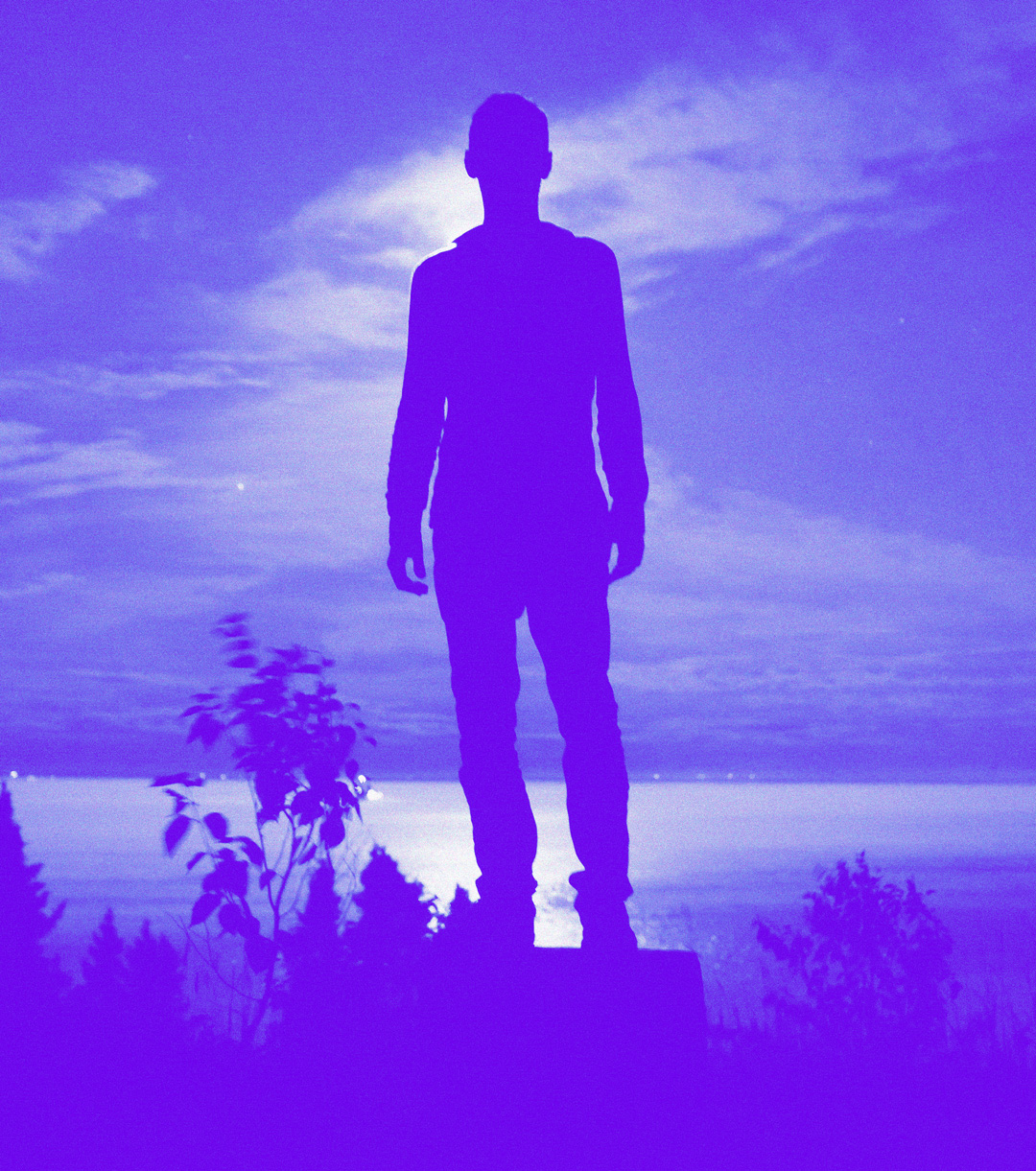
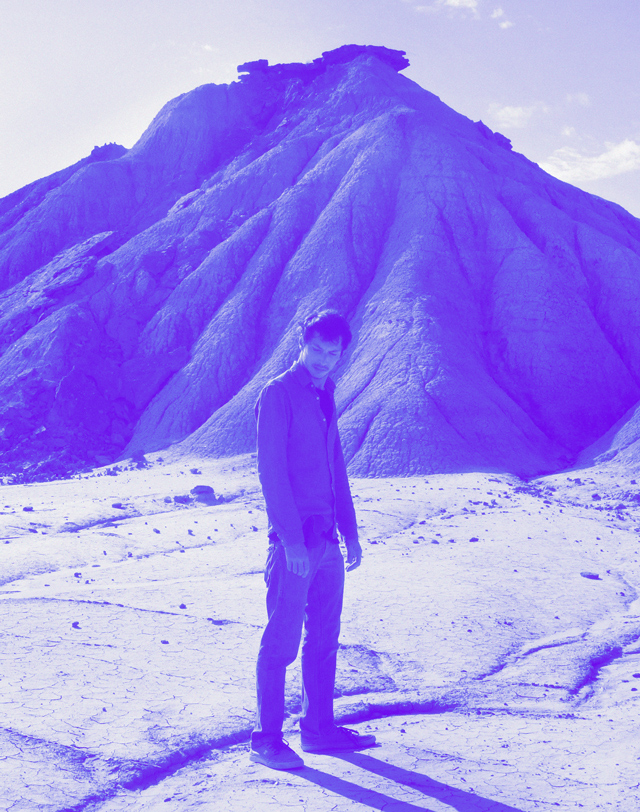
Photo 2: Pierre Barbot
T R A C K L I S T
Matt Rösner - Big History
Sopoorific - The Call of Eon
Sables Noirs - Nos Lents Regards - Tremble Demain!
Brannten Schnüre - Hagebuttenstrauch
Born Erased - Seven Stages of Hatred (feat. Moss Havest)
Agyt - you're alive and beautiful as the moon
Birds Of Passage - The Creed
Ascending Divers - Rowing From The Other Side
Saåad - Topos
Pragher - It's Nice To See You in Good Spirits
Aidan Baker, Saåad & Frédéric D. Oberland - Phase IV
Mary Jane Leach - Semper Dolens
Saåad is the solo project of French musician Romain Barbot, exploring the fragile boundary between ambient, drone and experimental electronic music. Through slow-moving textures, deep layers of sound and subtle melodic fragments, Saåad creates suspended spaces where time seems to dissolve, inviting listeners into introspective and emotionally charged sound environments. Often described as cinematic and deeply melancholic, Saåad’s music functions as a form of sonic refuge that doesn’t seek to overwhelm, but rather to envelop. Each release feels like a chapter, capturing an inner state or a fleeting moment, more than a fixed place or narrative. The project embraces imperfection, intuition, and a raw, almost naïve gesture, allowing emotion to surface without constraint.
Saåad has released music on labels such as Hands in the Dark, Opal Tapes, Nahal Recordings or its own imprint BLWBCK, and has performed in a wide range of contexts, from intimate venues to festivals and multidisciplinary collaborations. Beyond the stage, the project often intersects with contemporary dance, film, and visual arts, reinforcing its cinematic dimension.
Could you share with us what mood or feeling guided you while putting this mix together?
Over the past few months, I haven’t been listening to much ambient music. That often happens when I’m too deeply immersed in my own creations and feel the need to listen to things that are quite far removed from what I do myself. For this mix, I wanted to highlight artists from my label, BLWBCK. I also tried to reflect the rainy, dull atmosphere of this February.
Why do you think we are drawn to melancholic and absorbing music? Do you find something cathartic and healing in the act of listening or in getting lost within sound?
I’ve always been drawn to “sad” music—there’s something powerful about it that touches me much more deeply. It’s hard to explain why; it feels like it’s simply part of my DNA. It can be cathartic, but not necessarily. As with the music in this mix, the idea is also to escape, to find a suspended state, slightly out of time. There’s also the idea of creating a sonic refuge. Even if the notion of a “soundscape” is somewhat overused, I love music that projects us elsewhere.
When you’re in the studio, are there rituals, tools, or approaches that help you enter that zone where ideas flow naturally?
When I’m in the studio, I don’t really have rituals, except that I need to be alone in a place that feels familiar to me. I often let the music guide me and work very intuitively. My process is heavily based on improvisation—sometimes it’s sudden and intense, sometimes a melody appears and I try to build a narrative around it, however abstract it may be. More than a ritual, it’s often a word, a sentence, or an image that serves as my starting point.
Do you think your visual background as a graphic designer and photographer affects the way you "see" sound?
That can happen. Some albums in my discography were born out of a love for a particular image, like Delayed Summer, but most of the time I keep these practices separate. My work as a graphic designer is often at the service of projects that aren’t my own, whereas in music I very rarely have external constraints or a brief to follow. That can be the case when scoring a film, or in my work with choreographer Marion Muzac over the past three years, but I see my music as an almost secret garden that I cultivate. If there’s a common thread between my different practices, it’s a taste for imperfection and for gestures that retain a form of naïveté.
Some of your pieces seem to suspend time entirely. In a world that is constantly moving, do you find a form of resistance in making music that demands absolute stillness?
I like the idea of trance states, of things being suspended. I don’t think my music represents a form of resistance—at least, that’s not how I see it. Strangely enough, even though it requires time and a particular listening state, I don’t think this music demands absolute stillness; quite the opposite. I love listening to ambient music while watching landscapes pass by, and even when we remain physically still, it’s our mind that travels elsewhere. More than resistance, I see it as a refuge from a world that moves too fast and is often paralyzing.
How does your environment influence the music you create? Are there particular cities, landscapes, or atmospheres that seep into your sound?
There was a whole period when the place of composition was the main vector of the concept behind my creations, but for the past few years that hasn’t really been the case. Since Présence Absente, rather than a specific place, it’s my state of mind—the emotions passing through me—that form the basis of the music I make. I like to see my records as bookmarks of a moment, of a period. If it can sometimes be cathartic, it’s above all like an instrumental psychoanalysis, and it’s often only after finishing something that I understand the meaning of what I’ve just created.
C R E D I T S
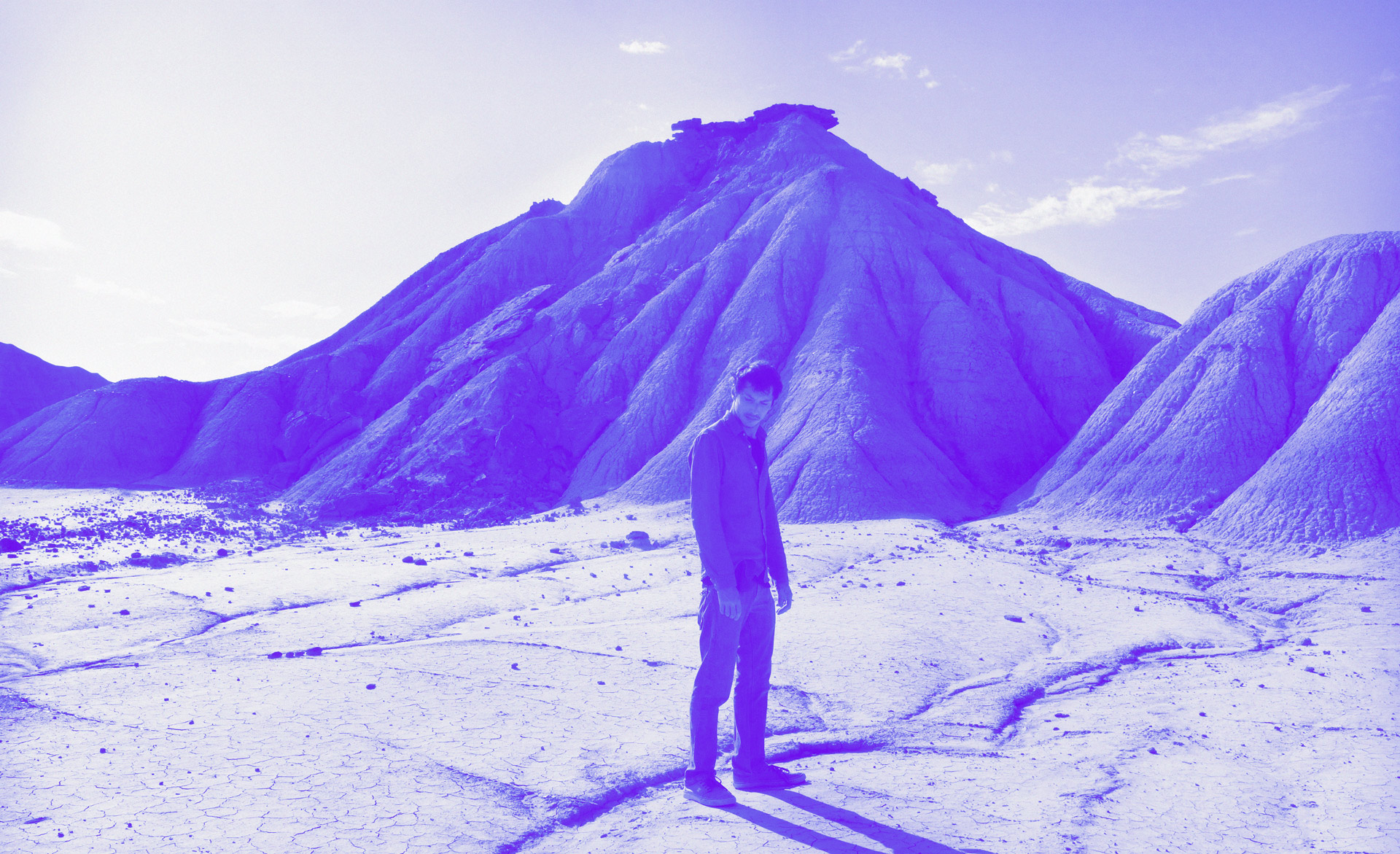
Photo 2: Pierre Barbot
T R A C K L I S T
Matt Rösner - Big History
Sopoorific - The Call of Eon
Sables Noirs - Nos Lents Regards - Tremble Demain!
Brannten Schnüre - Hagebuttenstrauch
Born Erased feat. Moss Havest - Seven Stages of Hatred
Agyt - you're alive and beautiful as the moon
Birds Of Passage - The Creed
Ascending Divers - Rowing From The Other Side
Saåad - Topos
Pragher - It's Nice To See You in Good Spirits
Aidan Baker, Saåad & Frédéric D. Oberland - Phase IV
Mary Jane Leach - Semper Dolens